
Contents
Overview
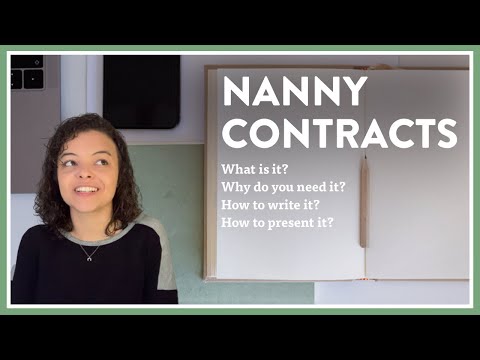
A nanny contract is a legally binding document outlining the terms of employment between a family and a nanny. Think of it as the blueprint for your working relationship, ensuring clarity and preventing misunderstandings down the line. It details everything from job responsibilities and work hours to pay rates, benefits, and termination procedures. For families, it provides peace of mind, knowing expectations are clearly defined. For nannies, it ensures fair treatment and a professional working environment, protecting their rights and livelihood.
⚖️ Why You Absolutely Need One
Skipping a formal contract is a gamble no one should take. A well-drafted agreement acts as a crucial safeguard, minimizing the risk of disputes over pay, duties, or scheduling. It establishes a professional framework, fostering trust and respect from day one. Without one, misunderstandings can quickly escalate into serious conflicts, potentially damaging the relationship and leading to costly legal battles. This document is essential for both parties to feel secure and valued in the nanny-family dynamic.
🔑 Key Clauses to Include
At its core, a robust nanny contract should cover several non-negotiable clauses. These include a clear job description detailing nanny duties, expected work hours, and specific responsibilities. It must also outline the agreed-upon nanny pay rate, including overtime policies and any bonuses. Provisions for paid time off, sick days, and holidays are vital. Furthermore, clauses addressing household rules, use of the family car, and communication protocols are essential for a harmonious working relationship.
💰 Compensation & Benefits Breakdown
Compensation is often the most scrutinized part of any employment agreement. Your contract should explicitly state the nanny's salary, whether it's hourly or a weekly/monthly flat rate. Detail how and when payment will be made (e.g., weekly via direct deposit). Crucially, outline overtime pay—typically 1.5 times the regular rate for hours worked beyond a standard workweek, as per labor laws. Don't forget to specify any benefits like health insurance stipends, paid vacation days, sick leave, and national holidays, which can significantly impact a nanny's overall compensation package.
⏰ Hours, Duties, and Time Off
Defining working hours and duties prevents scope creep and ensures a predictable schedule for both parties. The contract should specify the exact days and times the nanny is expected to work, including any flexibility required. Clearly list the primary responsibilities, such as childcare, meal preparation, light housekeeping related to the children, and transportation. Equally important is outlining policies for time off, including vacation accrual, sick day procedures, and how holidays are handled. This clarity prevents assumptions and ensures work-life balance for the nanny.
🛡️ Termination and Notice Periods
A well-defined termination clause is critical for protecting both the family and the nanny. It should specify the amount of notice required from either party before ending the employment (e.g., two weeks). Outline the conditions under which termination can occur immediately, such as gross misconduct. Clarify the final paycheck details, including payment for accrued but unused vacation time. This section helps manage the emotional and logistical aspects of ending the employment relationship professionally and respectfully.
📜 Legalities and State Variations
Nanny contracts are subject to federal, state, and local labor laws. It's imperative that your contract complies with regulations regarding minimum wage, overtime, and independent contractor vs. employee status. For instance, misclassifying a nanny as an independent contractor when they should be an employee can lead to significant tax penalties for the family. Families should consult with a legal professional or utilize resources that highlight state-specific regulations to ensure their contract is fully compliant and legally sound.
🤝 Nanny Directory's Role in Contracts
While Nanny Directory itself doesn't draft contracts, it serves as an invaluable resource for families and nannies navigating this process. Our platform connects you with experienced childcare professionals who understand the importance of formal agreements. We provide access to articles and guides on best practices for nanny employment, including tips for negotiating contract terms and understanding common clauses. By fostering transparency and professionalism, we aim to facilitate the creation of strong, legally sound employment relationships.
Key Facts
- Year
- 2023
- Origin
- Nanny Directory
- Category
- Nanny Services
- Type
- Resource Guide
Frequently Asked Questions
Do I need a contract if I'm hiring a nanny for only a few months?
Yes, absolutely. Even for short-term engagements, a contract is crucial. It ensures clear expectations regarding duties, hours, pay, and termination, preventing misunderstandings that can arise quickly. Short-term arrangements often have specific end dates, so a termination clause is still relevant. A contract protects both parties and formalizes the agreement, regardless of its duration.
What's the difference between an employee and an independent contractor for nannies?
In most cases, nannies are legally considered employees, not independent contractors. This means families must handle payroll taxes (Social Security, Medicare, unemployment) and comply with wage and hour laws. Misclassifying a nanny can result in significant penalties. A contract should clearly state the employment status and outline the family's responsibilities as an employer.
Can a nanny contract include a clause about social media use?
Yes, a nanny contract can include clauses regarding privacy and social media, provided they are reasonable and legal. This might cover the nanny's use of social media to post about their work, including photos or details about the children or household. Both parties should agree on what is acceptable and what constitutes a breach of privacy.
What if my nanny and I disagree on a contract term?
Open communication is key. If disagreements arise during contract negotiation, discuss them calmly and seek common ground. If you can't agree on a specific term, consider alternatives or compromises. If a significant impasse occurs, it might indicate a fundamental mismatch in expectations, and it may be best to continue your search. Mediation services can also be helpful.
Should I have a lawyer review my nanny contract?
It is highly recommended to have an attorney specializing in employment law review your nanny contract, especially if you are unsure about legal compliance. They can ensure the contract adheres to all federal and state labor laws, protecting both you and your nanny. Many online resources and templates exist, but professional legal advice offers the highest level of security.